How Long After Teeth Whitening Can I Eat?
A professional teeth whitening treatment can help brighten your smile. However, you might wonder what you can eat or drink without affecting your newly whitened teeth and spoiling the effects of your cosmetic dentistry.
For the best results, it’s a good idea to be mindful of your diet for a short period. You can typically return to your normal diet about 48 hours after your teeth whitening treatment. During these first two days, your teeth are more prone to staining, so sticking to certain foods can help protect your new smile.
The First 48 Hours After Your Treatment
After a teeth whitening treatment, the pores in your tooth enamel are temporarily more open. This is a normal part of the process that allows the whitening agent to work. Because of this, your teeth can absorb colours from foods and drinks more easily for a couple of days.
Why Your Teeth Are Temporarily More Porous
The whitening process works by opening microscopic pores in your enamel to lift stains. This is what makes your teeth appear brighter. These pores naturally close over the next 24 to 48 hours as your teeth rehydrate and remineralize.
The “White Diet” Explained
The “white diet” is a simple guideline to follow while your tooth enamel settles. It involves choosing foods and drinks that are light in colour and free of strong pigments. This approach helps prevent new stains from setting in and protects your investment in a brighter smile.
Foods & Drinks to Choose or Avoid
Knowing what to eat can make a big difference in the first few days after your procedure. Here’s a simple list to help you plan your meals and protect your results. It’s all about avoiding heavily pigmented foods and drinks that could stain your teeth.
Safe Foods for Your Brighter Smile
- Plain chicken or turkey
- White fish
- Rice, pasta, and bread
- White cheese
- Potatoes (without the skin)
- Plain yogurt
- Bananas
Foods & Drinks That Can Stain Your Teeth
- Coffee and tea
- Red wine
- Dark sodas
- Berries and dark fruits
- Tomato sauce
- Soy sauce and balsamic vinegar
- Chocolate
How to Handle Drinks Like Coffee & Tea
Many people ask about their morning coffee or daily tea. If you do choose to have a dark-coloured drink during the first 48 hours, here are a few guidelines to follow.
The Straw Rule for Dark Drinks
Using a straw helps liquids bypass the front surfaces of your teeth. This simple trick reduces direct contact and lowers the chance of staining. After finishing your drink, rinsing your mouth with water can also help.
Clear or Light-Coloured Drink Options
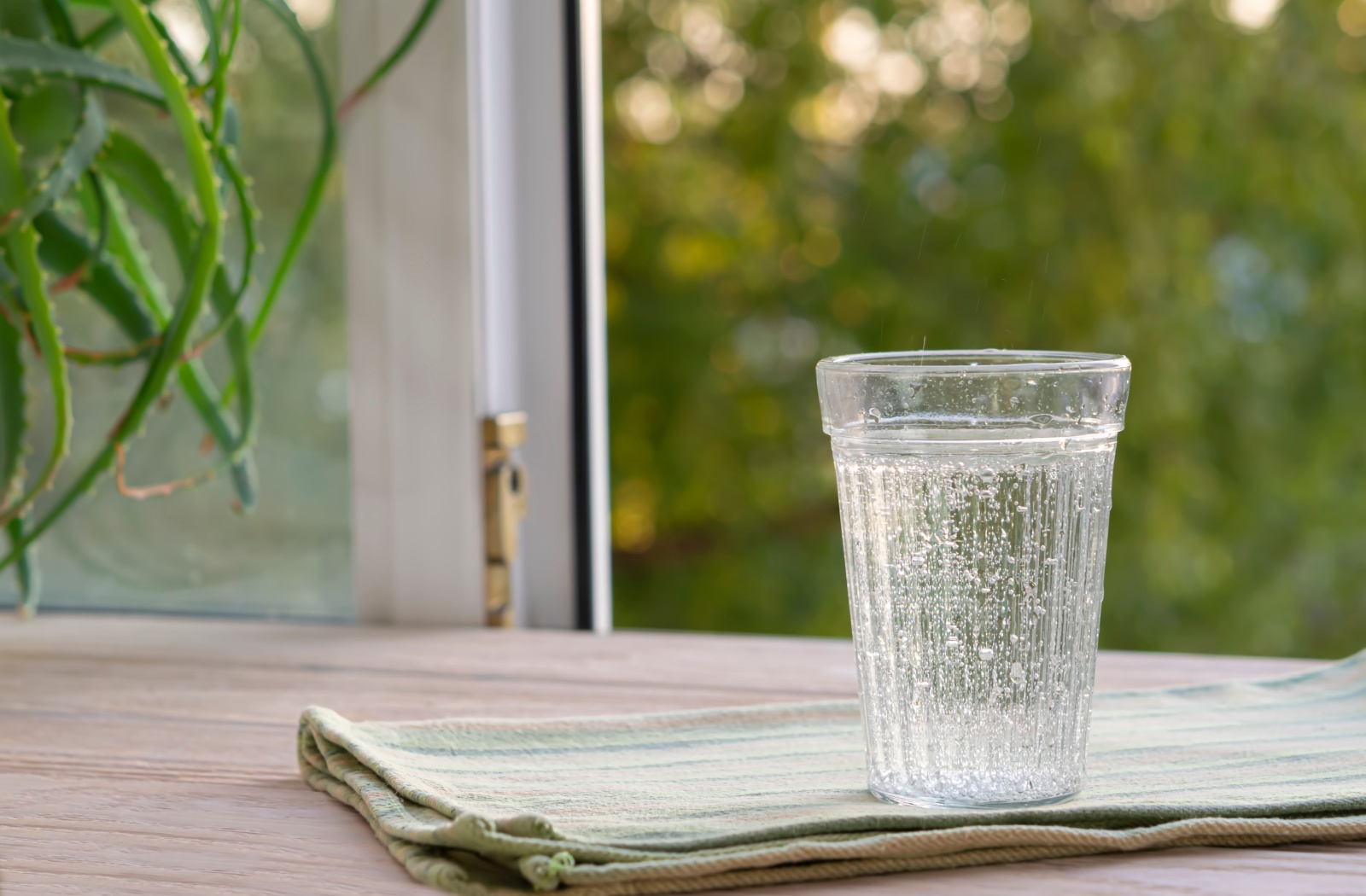
For the first two days after your treatment, water is an excellent choice for hydration. You can also drink milk, clear sodas, and white wine without worry. These options won’t introduce pigments that can stain your porous enamel.
Maintain Your Whitening Results
The longevity of your new smile depends on your habits after the initial whitening period. With good oral care, your results can last for a long time. Simple daily practices are key to keeping your teeth looking their best.
Maintain Your Results at Home
Regular brushing and flossing are fundamental to a healthy smile. Rinsing your mouth with water after eating or drinking can also help remove particles that might cause stains. Using a whitening toothpaste a couple of times a week may also help manage surface discolouration.
The Role of Regular Dental Check-ups
Professional cleanings remove surface stains and plaque that you can’t get rid of at home. Regular dental check-ups help keep your smile healthy and bright. Your dental team can also let you know when a touch-up treatment might be beneficial.
When to Return to a Normal Diet
After the first 48 hours, you can slowly reintroduce your favourite foods back into your diet. The most sensitive period for staining has passed by this point. Your tooth enamel will have had time to settle and remineralize.
A General Timeline for Food Reintroduction
You can begin to eat a wider variety of foods after two days have passed. Nonetheless, for the first week, it’s still a good idea to limit very dark foods—like beets or red wine—when you can. This gives you an extra buffer to protect your whitening results.
Listen to Your Teeth
Some people experience temporary tooth sensitivity after a whitening treatment. If this happens to you, stick to softer, non-acidic foods until your teeth feel comfortable again. The increased sensitivity usually fades within a day or two.
If you have more questions about teeth whitening or how to care for your smile, our team at South Bolton Dental is here to help. Contact us to book an appointment and find a treatment plan that meets your needs.